







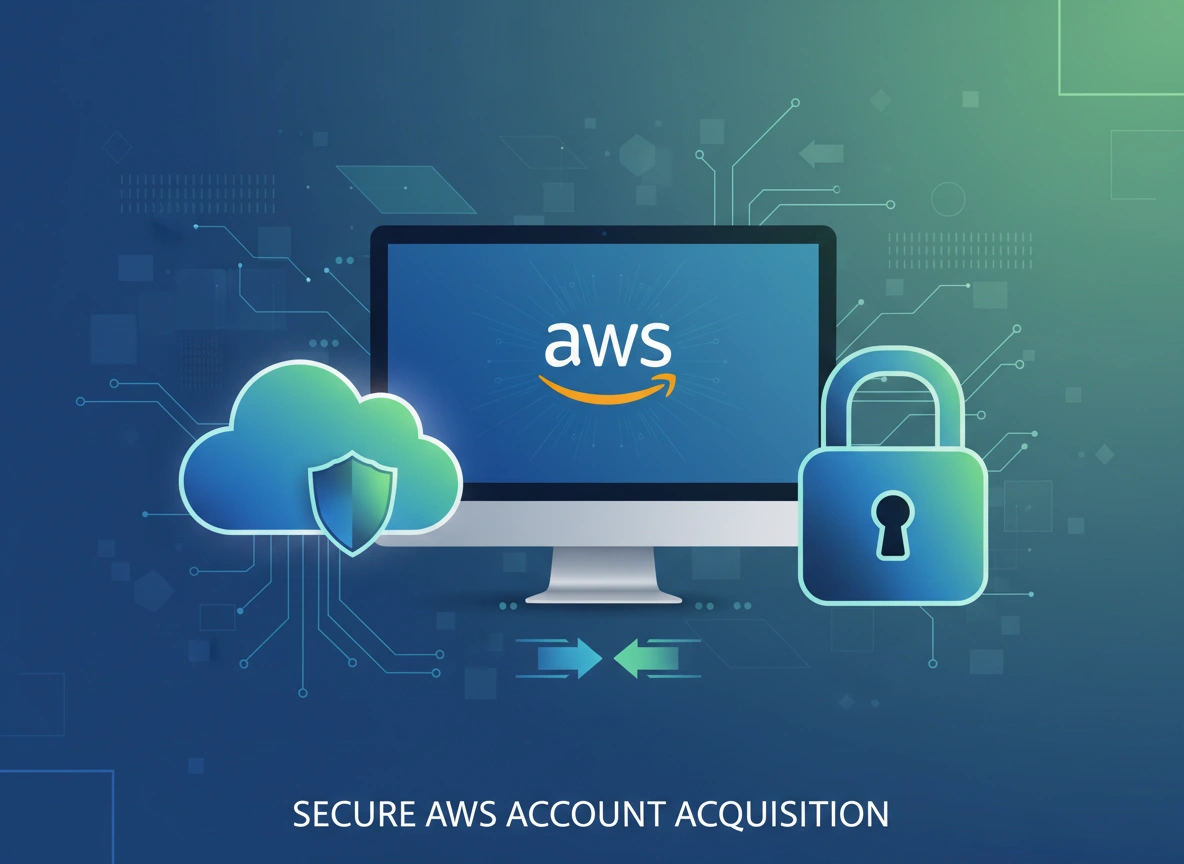
Amazon Web Services (AWS) stands as a cornerstone of modern digital infrastructure, offering a vast suite of cloud computing services that power everything from small startups to global enterprises. Its pay-as-you-go model, scalability, and robust features have made it an indispensable tool for developers, IT professionals, and businesses worldwide. While the standard procedure is to create an AWS account directly, a market exists for purchasing pre-existing accounts. This practice, however, is fraught with significant risks. This article provides a comprehensive guide on navigating this complex landscape, focusing on how to approach the process safely, securely, and with a clear understanding of the associated responsibilities.
Understanding Amazon Web Services (AWS)
AWS is a secure cloud services platform, offering compute power, database storage, content delivery, and other functionality to help businesses scale and grow. It allows organizations to move away from the capital expense of owning and maintaining physical data centers and servers. Instead, they can access technology services on an as-needed basis. The importance of AWS cannot be overstated; it underpins a significant portion of the internet, supporting critical applications for companies like Netflix, Reddit, and Adobe. An AWS account is the gateway to this powerful ecosystem, providing access to manage and deploy these resources.
Why Would Someone Buy an AWS Account?
The official and most secure method to get an AWS account is by registering directly with Amazon. However, certain scenarios lead individuals and organizations to consider purchasing one from a third party.
- Access to Pre-existing Limits: New AWS accounts often have service quotas or limits on the number of resources that can be launched. An established account may have higher limits, which can be attractive for projects requiring large-scale immediate deployment.
- Geographic or Regional Access: Sometimes, creating an account from a specific country or region can present challenges due to billing restrictions or verification processes. Buying an account already established in a desired region can seem like a convenient shortcut.
- Urgency and Convenience: The standard AWS account creation process involves providing valid credit card information and undergoing a verification process. For users needing immediate access without these steps, purchasing a ready-made account appears to be a faster alternative.
- Testing and Development: Some developers might seek multiple, isolated accounts for sandboxing different projects or testing environments without linking them to their primary corporate identity.
While these reasons might seem valid from a user’s perspective, it is crucial to weigh them against the substantial risks involved.
The Inherent Risks of Buying from Unverified Sources
Purchasing an AWS account, especially from an unknown or unverified seller, exposes you to a multitude of security, financial, and legal dangers. The convenience gained can be quickly overshadowed by severe consequences.
- Compromised Security: The seller retains knowledge of the root account credentials, at least initially. They could potentially regain access to the account even after you change the password by using recovery mechanisms or exploiting backdoors they may have installed. This gives them full control over your data and infrastructure.
- Hidden Liabilities: The account may have outstanding bills or be linked to fraudulent activities. Upon acquiring it, you could become responsible for these debts or associated with illicit operations, leading to financial loss and legal trouble.
- Violation of AWS Terms of Service: The AWS Customer Agreement generally prohibits the transfer of accounts without Amazon’s explicit consent. Purchasing an account from a third party is a direct violation of these terms. If detected, Amazon has the right to suspend or terminate the account without notice, resulting in the complete loss of your services and data.
- Data and Intellectual Property Theft: Any sensitive data, proprietary code, or customer information stored within a compromised account is at risk of being stolen, copied, or deleted by the original seller or other malicious actors who may have access.
Key Considerations for Safe Account Acquisition
If you must proceed with acquiring an AWS account through a non-standard channel, you must do so with extreme caution. The only legitimate way this typically occurs is through a business acquisition or a formal transfer approved by AWS. If considering a purchase from a reseller, vetting is paramount.
1. Prioritize Seller Reputation and Legitimacy
Investigate the seller thoroughly. A legitimate business operation that facilitates account transfers will have a professional presence, transparent processes, and verifiable testimonials. Avoid anonymous sellers on forums or social media platforms. Look for established companies that specialize in cloud solutions and have a clear track record.
2. Demand Full Transfer of Ownership
A safe transaction involves more than just handing over a username and password. It requires a complete and verifiable transfer of ownership of the root account. This includes changing the root user’s email address, password, and multi-factor authentication (MFA) device. The original owner should have no path to regain access.
3. Scrutinize Account History
Before finalizing any purchase, demand full, transparent access to the account’s history. Check the following areas within the AWS Management Console:
- AWS Cost and Usage Reports: Look for any outstanding balances, unusual spending spikes, or services that you do not recognize.
- IAM (Identity and Access Management): Review all existing users, groups, roles, and policies. Delete any that are not necessary and ensure no unauthorized access keys or permissions remain.
- CloudTrail Logs: Analyze the event history to see what actions have been performed in the account. Look for suspicious activity, such as resource creation in unusual regions or permission changes.
Steps to Secure a Newly Acquired AWS Account
Immediately after gaining access to a purchased AWS account, you must perform a comprehensive security overhaul to lock it down and make it your own.
- Change Root User Credentials: This is the most critical first step. Immediately change the password for the root user. The new password should be long, complex, and unique.
- Update the Root Email Address: Change the email address associated with the root account to one that you control exclusively. This prevents the previous owner from using the “Forgot Password” feature.
- Enable Multi-Factor Authentication (MFA): Secure the root account by enabling MFA. Use a virtual MFA device (like Google Authenticator) or a hardware key. This provides a crucial layer of security, requiring a second form of verification to log in.
- Delete All Existing IAM Users and Roles: Do not simply edit existing IAM users. Delete every user, group, role, and policy created by the previous owner. Start fresh by creating new IAM users with the principle of least privilege, granting only the permissions necessary for them to perform their tasks.
- Rotate All Access Keys: If any IAM users had programmatic access keys, they must be deleted. Generate new access keys for any applications or services that require them.
- Review All Services and Regions: Conduct a thorough audit of all AWS services in every region. Check for running instances (EC2), storage buckets (S3), databases (RDS), or other resources that you did not create. Terminate any unknown resources to prevent unwanted costs and security risks.
- Update Billing and Contact Information: Change all billing details, contact information, and security questions to reflect your own information. This ensures that you receive all notifications and bills directly.
Legal and Ethical Considerations
Beyond the technical risks, it is essential to consider the legal and ethical implications. The AWS Customer Agreement is a binding contract. By purchasing an account in violation of its terms, you are engaging in a practice that Amazon does not support. This can lead to account termination and potential legal disputes, especially if the account was involved in unlawful activities. Ethically, you are participating in a gray market that can be a haven for fraudulent behavior. The safest and most ethical path is always to create your own account directly through AWS.
Conclusion: Prioritize Security and Compliance
The allure of a pre-configured AWS account with higher limits or immediate access can be tempting. However, the potential for security breaches, financial liability, and service termination far outweighs the perceived benefits. The act of buying an AWS account from an unverified third party is inherently insecure.
The only recommended and fully secure method is to create an account through the official AWS website. This ensures you have full, undisputed ownership and are operating in compliance with AWS terms. If you find yourself in a situation where an account transfer is necessary, such as a business merger, work directly with AWS Support to ensure the transfer is handled officially and securely. Ultimately, when it comes to your cloud infrastructure, there is no substitute for security, compliance, and complete control.
Please visit the Official Website for more info.


